
Atlanta Summer's Dual Threat: How Intense Heat and Monsoon Rains Destroy Asphalt Driveways
You're stepping out into an Atlanta morning, the air already thick with humidity. By noon, the sun beats down like a furnace, pushing temperatures past 95 degrees. Then, out of nowhere, dark clouds roll in, dumping sheets of rain that turn your street into a river. For homeowners in the Peachtree State, this wild mix isn't just uncomfortable—it's a direct attack on your asphalt driveway. That smooth black surface under your car? It cracks and buckles under the strain of heat and water. Asphalt, made from oil-based binders mixed with gravel, gets soft in the heat and soaks up moisture like a sponge. This leaves it weak and prone to big problems.
Why does this matter so much in Metro Atlanta? Your driveway handles daily traffic from cars, trucks, and kids' bikes. Without care, summer's extremes can turn a small issue into a costly fix. In this guide, we'll look at how Atlanta's heat warps and ages asphalt. We'll cover the damage from heavy rains that wash away its base. Then, we'll share steps you can take to fight back and keep your pavement strong. By the end, you'll know how to spot trouble early and save money on repairs.
The Scorching Reality: Heat Degradation and Thermal Expansion
Atlanta summers hit hard with days that top 95 degrees for weeks. This intense heat changes the way asphalt holds up. The black top absorbs sun like a heat magnet, making the surface extra hot—often over 140 degrees on a clear day.
Heat affects the binder that glues everything together. This sticky part starts to lose its strength. Your driveway doesn't just sit there; vehicles roll over it, adding weight and stress.
Softening and Pliability
When temperatures climb, the asphalt binder gets soft. Think of it like warm taffy—it bends too easily. Under the weight of your car, especially if you park in the same spot every day, ruts form. These dips grow deeper with each hot spell. In Atlanta, where driveways see heavy use from family vans and delivery trucks, this leads to uneven surfaces. You might notice your tires sinking a bit, a sign the pavement can't fight back.
Rutting isn't just ugly. It makes driving bumpy and can trip up pedestrians. Over time, these soft spots invite more damage from the next rain. Homeowners often ignore early signs, but a quick check after a heat wave can catch it.
Oxidative Aging and Brittleness
Sun's UV rays pair with heat to speed up aging. The binder oxidizes, drying out like old rubber. This turns the surface brittle, full of tiny cracks. In Georgia's sunny climate, this happens faster than in cooler spots. Hairline fissures pop up after just one season of exposure.
These cracks seem small, but they act like doorways. Water slips in later, making things worse. You can see this on older driveways in neighborhoods like Buckhead or Decatur. The once-flexible top becomes crumbly, ready to break under foot.
To spot this, walk your driveway on a hot day. Press down—if it feels hard and cracks easily, oxidation has set in. Early action here stops bigger tears.
Increased Susceptibility to Tire Marks
Hot tires on fresh or softened asphalt leave black streaks. Delivery vans and trash trucks, with their wide tires, press marks right into the surface. In Atlanta's busy suburbs, this happens often during peak summer heat.
The tires pick up bits of the binder, peeling it away. This leaves shiny patches that won't go away. It's common after paving jobs if heat hits right after.
Avoid this by parking differently on hot days. Shade your driveway with trees or awnings if you can. These marks signal the binder's weakness—fix them before they spread.
The Monsoon Effect: Water Intrusion and Sub-Base Erosion
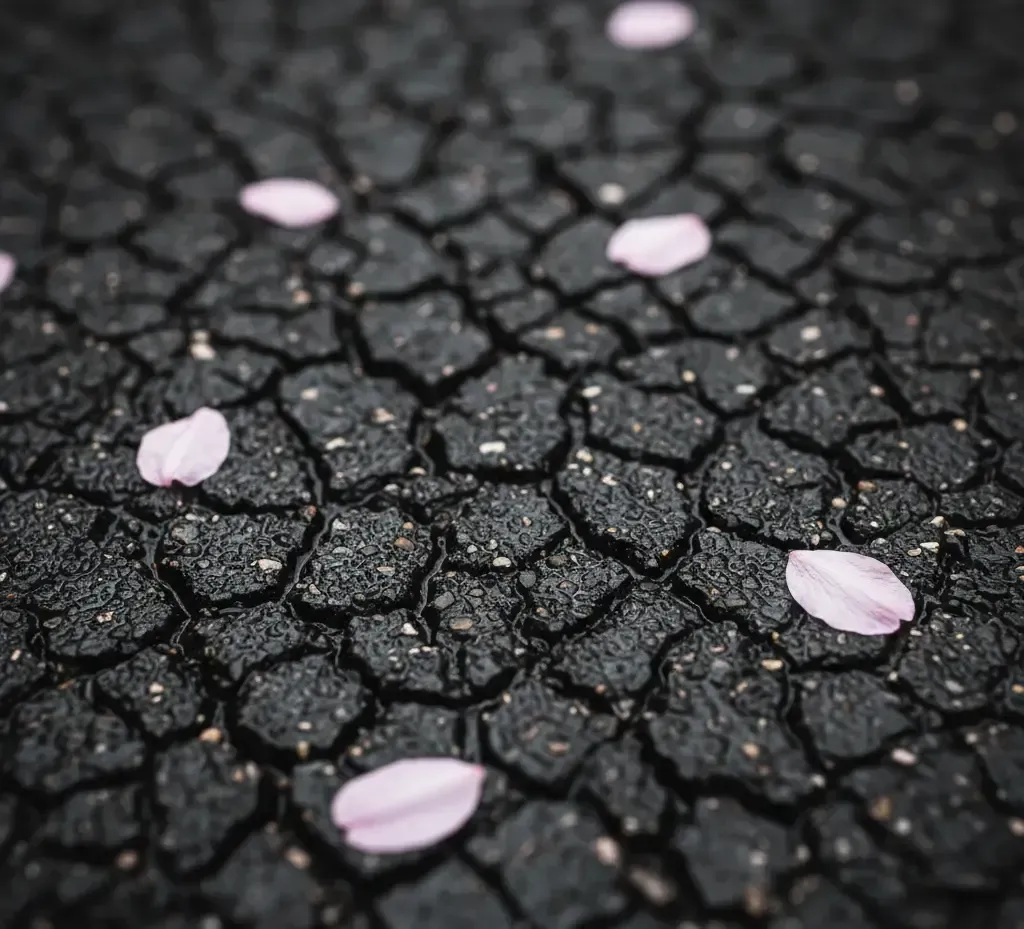
After the heat comes the rain. Atlanta gets sudden storms that drop inches in hours. This water doesn't bounce off; it soaks in, thanks to asphalt's tiny pores. Clay-heavy soils around here hold water longer, making drainage tough.
Rain attacks from the top and below. It fills cracks and weakens the gravel base that supports the whole thing. Over years, this leads to a driveway that sinks or breaks apart.
Pothole Formation and Alligator Cracking
Water finds any crack from heat damage. It seeps down, softens the layers below. Traffic then pushes the wet material around, creating potholes. In Atlanta, these show up after big storms like those in July.
Alligator cracking looks like a snake's skin—web of interconnected lines. It starts small but spreads if water keeps entering. Even without freezes, the pressure from cars widens the gaps.
Check for this after rain. If you see patterns wider than a quarter, it's time to act. Potholes can wreck tires, so fill them quick with cold patch.
Sub-Base Saturation and Structural Failure
Under the asphalt sits a layer of crushed stone—the sub-base. Rain soaks it, turning firm support into mud. This cuts the load it can hold, causing dips where cars park.
In red clay areas like Midtown, water drains slow. The base loses strength, and the driveway settles unevenly. You feel it as a soft spot or wave when driving.
This failure builds over time. One storm might not do it, but seasons of rain will. Test by jumping lightly—if it bounces, the base is gone.
Erosion Along Edges and Drainage Issues
Water pools at the edges if grading is off. It washes away soil and gravel, crumbling the sides. Clogged gutters send runoff right onto the driveway.
This edge spalling flakes off in chunks. In sloped yards common in Atlanta hills, it worsens fast. Poor drains mean standing water that eats away support.
Fix this by clearing leaves from downspouts yearly. Regrade soil to slope away from edges. Simple changes stop erosion before it undercuts the whole slab.
Spot Damage Before It Spreads
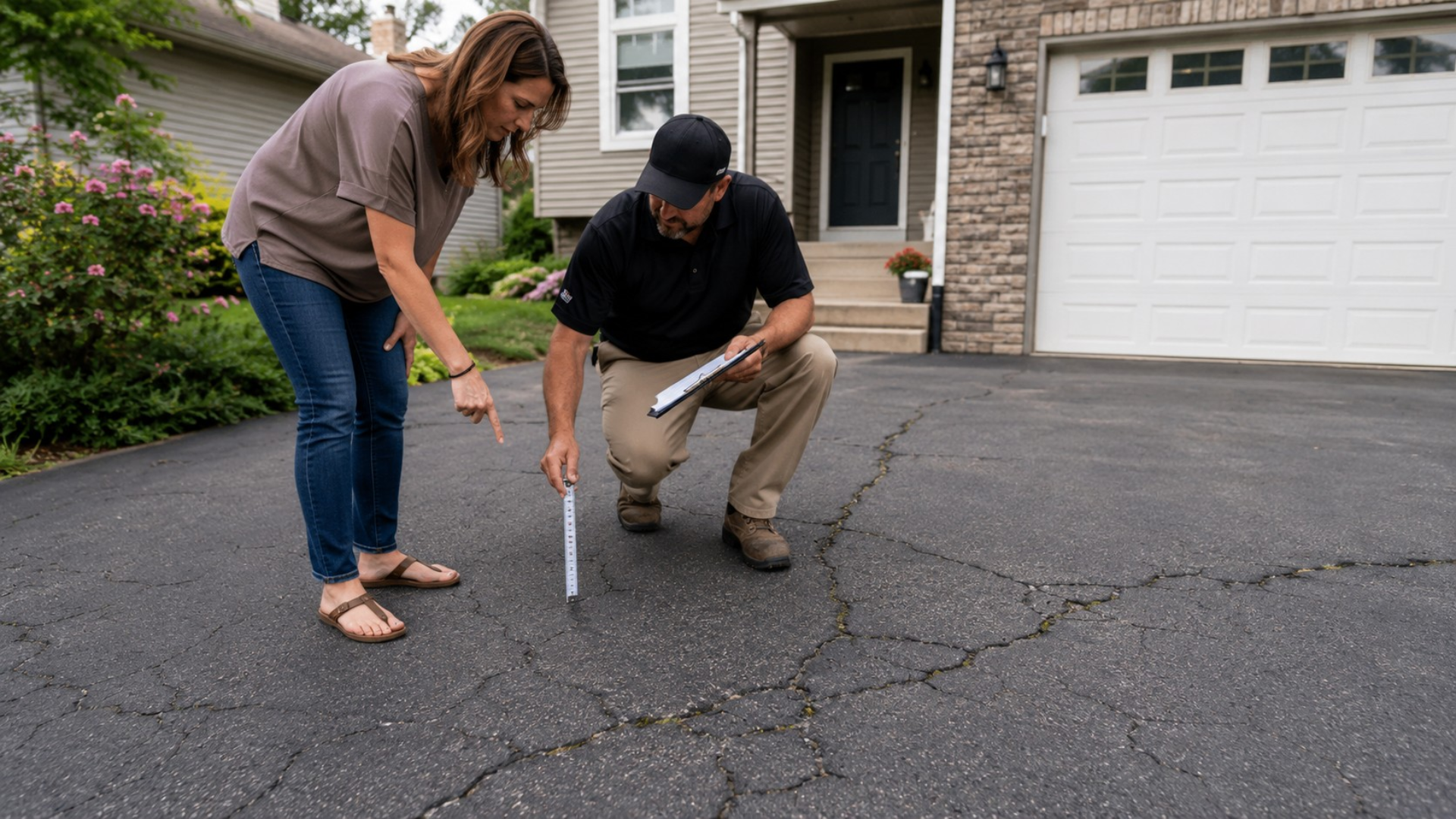
Don't let a small crack become a costly repair. Get a free, no-obligation driveway inspection from a local expert.
Synergistic Damage: When Heat and Rain Combine Forces
Heat alone hurts, rain alone erodes—but together, they team up for fast damage. Atlanta's pattern of hot days and afternoon storms creates a cycle that speeds wear. Your driveway faces this combo year after year, losing strength quicker.
This mix turns minor flaws into major breaks. Heat opens doors; rain rushes in to flood the foundation.
The Expansion/Contraction Cycle
A super-hot driveway cools fast in a storm. This thermal shock stresses the material, like ice cracking a glass. Fissures widen, and new ones form.
In Southeast summers, this happens daily. The pavement expands in sun, contracts in rain—pulling apart at seams. Over time, gaps grow big enough for roots or debris.
You might hear pops on cooling nights. Watch for widening cracks after thunder. This cycle shortens driveway life by years.
Accelerated Binder Leaching
Hot rain acts like a solvent. It pulls oils from the binder, leaving it dry and weak. After a heat wave, the next downpour strips more.
This leaching makes asphalt crumbly before the next dry spell. In humid Atlanta, it builds layer by layer. The surface loses its seal, soaking up even more water.
Compare it to washing clothes too hot—they fade fast. Your driveway does the same, turning gray and rough. Spot this by oily puddles after rain; it's the binder washing out.
Proactive Protection: Essential Summer Driveway Maintenance Strategies
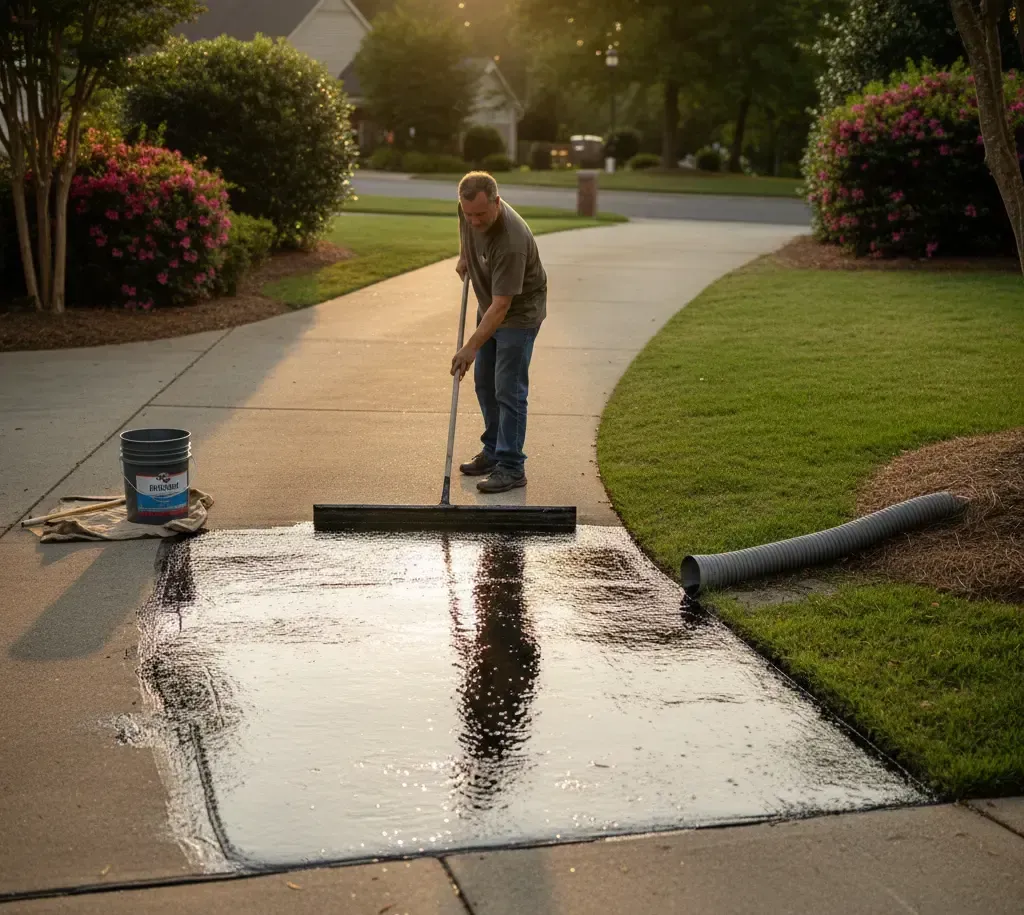
Don't wait for cracks to spread. Atlanta homeowners can protect their asphalt with smart steps. Focus on prevention to dodge big repair bills.
Start in spring, before heat peaks. Regular checks keep small issues from growing.
Crack Sealing Best Practices (Timing is Everything)
Seal cracks when dry and temps are mild—around 70 degrees. This lets the filler bond tight, blocking water.
Use a melter for hot pour sealant on bigger gaps. For hairlines, backer rod first, then rubberized filler. Do it post-rain, pre-heat.
This simple task lasts a season. It saves you from potholes later. Hire help if cracks top an inch wide.
The Role of Quality Sealcoating
Sealcoating adds a shield against sun and rain. Pick thick, rubber mixes for Atlanta's stress.
Apply every two years, in cool weather. It fills pores, cuts UV damage, and repels water. Fresh coat makes your driveway look new and last longer.
Skip cheap sprays; they wear off quick. A good one blocks 90% of moisture. Test old spots—if they fade, recoat soon.
Ensuring Proper Site Drainage
Check gutters and downspouts twice a year. Clear clogs to send water away.
Regrade yard soil to slope from the driveway. Add French drains if pooling persists. These steps stop edge erosion cold.
Even small fixes, like extending splash blocks, help. Water off the surface means a stronger base.
When to Call the Professionals: Recognizing Severe Damage Indicators
DIY works for surface fixes, but deep issues need experts. In Atlanta, summer worsens base failures that patching can't touch. Know the signs to avoid wasting time.
If damage covers wide areas, pros use tools to assess the sub-base. They might mill and repave for a solid fix.
Widespread Alligator Cracking (Over 25% Coverage)
When cracks web over a quarter of the surface, sealing won't cut it. This means the base has failed under the top layer.
In humid Georgia, water trapped below pushes up cracks. Pros dig to check the aggregate—often it's washed out.
Call if you see this spread. Replacement costs less than letting it collapse. Early pro help spots hidden rot.
Significant Rutting or Depression
Dips over two inches deep signal a soaked sub-base. Cars create ruts that hold water, starting a bad loop.
This isn't surface wear; it's structural. In clay soils, it sinks more each rain.
Get an inspection if wheels drop noticeably. Pros lift and rebuild the base. Ignore it, and the whole driveway fails.
Investing in Durability Against Atlanta's Elements
Atlanta's summer heat and rain team up to test your asphalt driveway. Heat softens and ages it, while storms erode the base and widen cracks. The combo speeds everything, turning a sturdy path into a hazard.
Yet, you can fight back with seals, drains, and checks. Spot early signs like ruts or webs to save cash—pro repairs beat full swaps. Walk your driveway now, even in winter, for weak spots from last summer.
Plan maintenance this year. Seal before June heat, clear drains post-storm. A strong driveway boosts your home's curb appeal and safety. Take that first step today—your pavement will thank you.
Secure Your Driveway Before Summer Hits
Stop guessing and start fixing. Book a professional assessment and quote to protect your home’s value today.

 GET A FREE ESTIMATE